Post-secondary education icon

Applying to Post-secondary

As you start thinking about the schools and programs that interest you, take some time to research their admission requirements and prerequisites. Different programs may have different expectations, so it’s important to know what is needed early on. For example, do you need a minimum number of College- or University-level high school courses (C or U courses)? Are there specific subjects you must complete in high school? 

You don’t have to figure this out on your own. Your Guidance Counsellor can support you with planning and help you stay on track, and online tools such as MyBlueprint, Xello, ontariocolleges.ca, and Ontario Universities info can be great resources for exploring programs and requirements. 

And remember, applying is only part of the process. Once offers of admission start arriving, be sure to check your email regularly and read messages carefully. Pay close attention to deadlines for accepting offers and submitting deposits so you don’t miss any important steps. Staying organized during this stage will help keep the process smooth and stress-free as you move closer to your post-secondary goals.


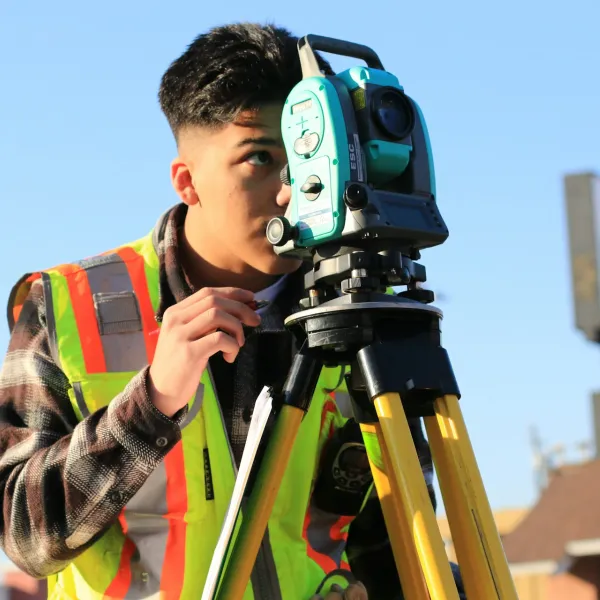
A person in a safety vest looks through a total station

Other considerations

What if I'm a mature student or don't have a high school diploma?

The definition of mature student varies by school and is often considered a student that has been out of high school for at least a couple of years. 

At the college-level, mature student status is for students who are over 19 years of age and do not have a high school diploma or equivalent. Applicants who receive mature student status are still required to complete course prerequisites, with exact requirements varying from college to college. Individual colleges may contact you with further instructions on completing tests required in the admission process. Learn more here: Applying to College as a Returning Learner. Students of any age who have a high school diploma will apply through the normal application process through Ontario Colleges

At the university-level, the definition of mature student and the process for applying varies by school. You can learn more information here: Mature Students

What if I am an international student?

The process of applying as an international student varies by school, and you can find more information below: 

Other useful resources

Registering with Accessibility Services

Once you've accepted your offer of admission, and have a student number - it's time to register with Accessibility Services and arrange your accommodations. This process usually involves completing forms and submitting documentation—often before your first appointment takes place. During the intake appointment, you’ll meet with an Accessibility Advisor to talk about your strengths, challenges, and learning needs, and to determine which accommodations and supports are appropriate for you, based on the likely functional impairments that you will experience in your chosen program. After the meeting, the Accessibility Advisor develops a letter of accommodation which, with your consent, is shared with your professors or instructors.

Here are a few important things to keep in mind as you prepare:

Self-identification is required

In post-secondary education, it is the student’s responsibility to self-identify as a student with a disability and to register with the Accessibility Services office in order to receive accommodations. 

Start early

Arranging accommodations can take several weeks and longer if documentation is not up to date. Registering early with the Accessibility Services office helps ensure your supports are in place when classes begin.

Summer intake appointments are often available

Many institutions offer intake meetings over the summer for incoming students, allowing you to get registered and organized before your first semester starts.

Documentation may need to be updated

Some students may need re-assessments to provide current documentation. This process can take several months and may delay formal accommodations, so it is important to connect with the Accessibility Office early to find out what is required. In some cases, temporary accommodations may be available while you’re waiting.

Requirements vary by school

Each institution has its own guidelines for what counts as appropriate and up-to-date documentation. Accessibility Services staff can help you understand these requirements and support you in obtaining or updating documentation if needed.

Flexible meeting options

Some schools offer phone or virtual intake appointments for students who are unable to visit campus in-person, or may have an Express Intake option that does not requiring meeting with an advisor.  

Financial Aid

Paying for post-secondary education can be expensive, especially if you have additional costs related to a disability, such as specialized equipment, technology, or support services. The good news is that there is a wide range of financial support available. Funding can come from government loans and grants, as well as scholarships and bursaries specifically for students with disabilities. Below is an overview of key financial assistance options available through federal and provincial programs, along with other funding opportunities for students with disabilities.

Ontario Student Assistance Program (OSAP)

The Ontario Student Assistance Program (OSAP) helps students pay for college and university through a combination of loans and grants. 

  • Loans must be repaid after you finish school. 
  • Grants do not need to be repaid. 

The amount of funding you receive depends on several factors, including your education-related costs and your personal and family financial situation. Support can range from small amounts to grants that cover the full cost of tuition. 

You can find detailed information about OSAP online, including: 

You can also get help by visiting your school’s Financial Aid Office, which can answer questions and guide you through the OSAP application process.

Repayment Assistance for Students with Permanent Disabilities

If you have a permanent disability and experience difficulty repaying your student loans, the Repayment Assistance Plan for Borrowers with Permanent Disabilities may be available to help reduce or manage repayment obligations.

Bursary for Students with Disabilities (BSWD) and Canada Student Grant for Services and Equipment for Persons with Permanent Disabilities (CSG-PDSE)

The BSWD and CSG-PDSE are grants—meaning they do not need to be repaid—available to students with permanent disabilities who have disability-related education costs for required services or equipment. 

To be eligible: 

  • You must qualify for student loans (such as OSAP). 
  • You must include verification of a permanent disability when applying for your student loan. 
  • Your disability-related education expenses must be approved by your school’s Accessibility Services office. 

Eligibility for these grants is automatically assessed when you apply for student loans and submit the required disability verification form.

Additional Financial Resources

The Government of Canada’s Student Financial Assistance website provides information and links to federal and provincial financial resources that may be helpful as you plan for post-secondary education.

Scholarships and Bursaries for Students with Disabilities

Students with disabilities often face additional barriers or costs while pursuing post-secondary education. For this reason, there are many scholarships (based on merit) and bursaries (based on financial need) designed specifically to support students with disabilities. 

The following websites list a wide range of scholarships and bursaries available to students attending Canadian colleges and universities: 

  • DisabilityAwards.ca: A comprehensive list of scholarships and bursaries for students with disabilities. 
  • Disabled World: A collection of scholarships available to students with disabilities in Canada. 

There are also scholarships and bursaries for students with specific disabilities, including: 

Taking the time to explore these options and apply early can make a meaningful difference in managing the cost of post-secondary education and easing financial stress as you focus on your studies. 

In addition to government funding, every post-secondary institution offers its own awards, bursaries, and scholarships. These are usually listed on the institution’s website and can be a great way to reduce the overall cost of your education.

Life at Post-secondary

There are lots of things to consider when starting post-secondary - where will you live, how will you socialize, where will you go for support? 

Housing

If you are planning to live in residence, be sure to make note of application and payment deadlines to secure your spot.  In addition to this, if you'll require accommodation in residence - make sure you find out the specific process at your school to request accommodations due to special needs.  

If you were hoping to live in residence and didn't secure a spot, there are lots of off-campus housing options available for students.  Many post-secondary institutions have an off-campus housing department, and offer orientation and social activities to first-year students living off campus.  

Socialization

The transition to college can have a big impact on your social life, which can lead to feelings of isolation or distress.  Keeping in touch with friends and family is important, as is making friends and building new connections at post-secondary.  Look for clubs or sports that interest you, attend orientation and social events, and introduce yourself to people in classes, in residences, and on campus.  

Seeking Support

There are lots of places to go for support on campus - be sure to make use of them! Most post-secondary institutions have on-campus health services, counselling and mental health support, academic support services and more.  These services are here for all students to use, be sure to reach out and seek support at any time. 

Post-secondary Readiness Worksheet

As you prepare to start post-secondary - take a moment to reflect on what you know about yourself, your strengths and weaknesses and how they'll interact with the educational environment and demands.  Use this Post-secondary Readiness Worksheet to make yourself a plan, and set yourself up for success. 

Download the Post-secondary Readiness Worksheet 

""

Your Transition Roadmap

It's time to go - are you ready? What do you need to do to get started and prepared for your next stage? Are there any other things you'd add to this list?

Prepare Early

Early preparation, planning and skill building will help you be successful at post-secondary.

Know Your Pathway

Do you know what to expect in your post-secondary program? Are you ready to meet the academic and learning demands?

Register with Accessibility Services

Arrange for accommodations and supports to use at post-secondary.

Build Required Skills

Create and follow your plan to build the skills you'll need for success.

Prepare for Life on Campus

Have you planned your finances, housing, and other daily living essentials?

Identify Additional Planning Needs

Anything else? What items will you add to your transition plan?

Congratulations!

You’ve taken the time to plan, prepare, and reflect, and now you’re ready to make the transition to post-secondary education. That’s a big accomplishment and something to be proud of. 

As you move forward, remember that learning and growth continue beyond this point. You will keep building skills, discovering strengths, and finding the supports that work best for you along the way. Trust the preparation you’ve done, stay curious, and don’t hesitate to reach out for help when you need it - you’ve got this!